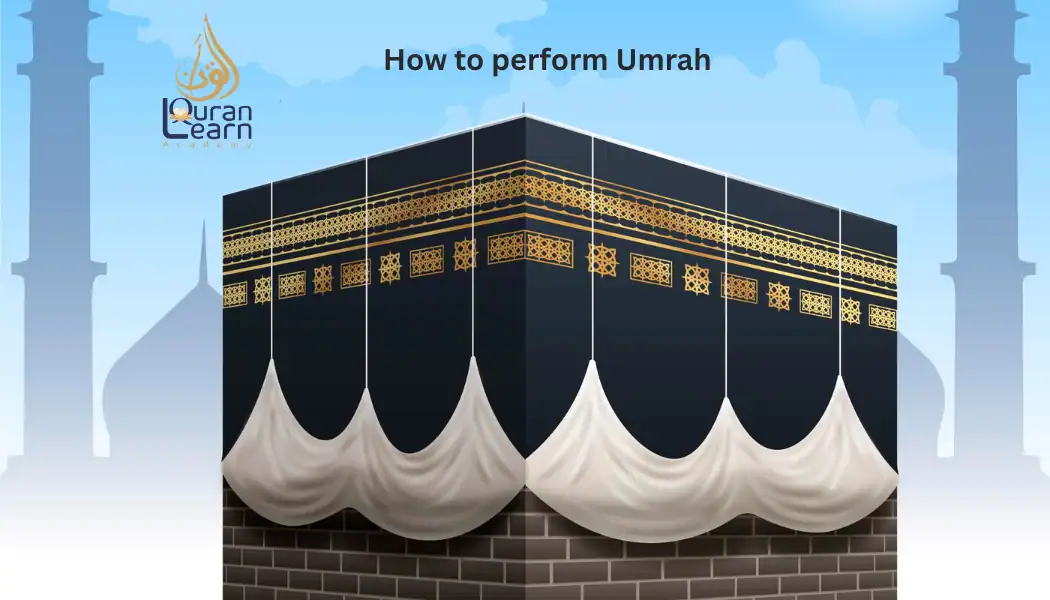
Performing Umrah is one of the most blessed and transformative acts of worship a Muslim can undertake. Although it is not obligatory like Hajj, it carries immense spiritual rewards and provides a unique opportunity to renew one’s faith, seek forgiveness, and draw closer to Allah. Umrah can be performed at any time of the year and consists of four essential rituals: Ihram, Tawaf, Sa’i, and Halq or Taqsir.
In this comprehensive guide, you will learn everything you need to know about how to perform Umrah—from preparation and intention to completing the final step of the pilgrimage.
1. Understanding Umrah and Its Significance
Umrah, often called the lesser pilgrimage, is a sacred journey to the holy city of Makkah. Unlike Hajj, which occurs only during specific days in Dhul-Hijjah, Umrah is available year-round. At its core, Umrah symbolizes purification of the soul. Every step—from wearing Ihram to shaving the head—represents humility, submission, and a fresh spiritual beginning.
Performing Umrah teaches patience, discipline, gratitude, and unity, as millions of Muslims from diverse backgrounds gather for the same purpose: worshipping Allah. Whether this is your first time or you’re returning again, the experience remains deeply emotional and unforgettable.
2. Preparing for Umrah
Proper preparation ensures that your Umrah experience is smooth and spiritually fulfilling. Here are the key steps to take before your journey:
✔ Strengthen Your Intention (Niyyah)
Make a sincere intention to perform Umrah solely for the sake of Allah. Purify your heart and remove worldly distractions. Remember that actions are judged by intentions.
✔ Learn the Rituals in Advance
Spend time understanding what to do at each stage. Many first-time pilgrims feel nervous, so learning the steps beforehand gives confidence and peace of mind.
✔ Ihram Clothing
- Men: Two white, unstitched cloths—one wrapped around the waist (izar) and one over the shoulders (rida).
- Women: Any modest Islamic clothing that covers the body. There is no specific color required, but it should not be adorned or revealing.
✔ Physical and Mental Preparation
Umrah involves walking long distances, especially during Tawaf and Sa’i. Try to increase your stamina before traveling. Also work on your patience, calmness, and mental readiness.
✔ Entering a State of Purity
Before wearing Ihram, perform ghusl (full body wash) or at least wudu. Men may apply perfume before entering Ihram; after Ihram begins, using perfume is prohibited.
3. Step One: Entering the State of Ihram
Ihram marks the official beginning of your Umrah. It is not simply clothing—it is a state of spiritual focus and obedience.
✔ Where to Enter Ihram?
You must enter Ihram before crossing the Miqat, the designated boundary surrounding Makkah. Airlines usually announce when the plane is approaching the Miqat so passengers can prepare.
✔ How to Enter Ihram
- Perform ghusl or wudu.
- Wear Ihram clothing.
- Pray two rak’ahs if possible (optional but recommended).
- Make your intention for Umrah:
“Labbayka Allahumma Umrah.”
- Begin reciting the Talbiyah:
“Labbayka Allahumma labbayk, labbayka la sharika laka labbayk.
Inna al-hamda wa-n-ni‘mata laka wa-l-mulk, la sharika lak.”
From now on, certain actions become forbidden (e.g., cutting hair, wearing perfume, marital intimacy). Maintain patience and avoid arguments, because Ihram requires purity of behavior.
Continue reciting the Talbiyah throughout your journey until you reach the Kaaba.
4. Step Two: Performing Tawaf Around the Kaaba
Tawaf is one of the most emotional moments of Umrah. Upon entering Masjid Al-Haram, your heart will naturally soften when you see the Kaaba for the first time.
✔ Beginning the Tawaf
- Stop reciting the Talbiyah.
- Move towards the Black Stone (Hajar al-Aswad) to start your first round.
- If you can touch or kiss it, do so gently. If not, simply point towards it and say “Allahu Akbar.”
✔ How to Perform Tawaf
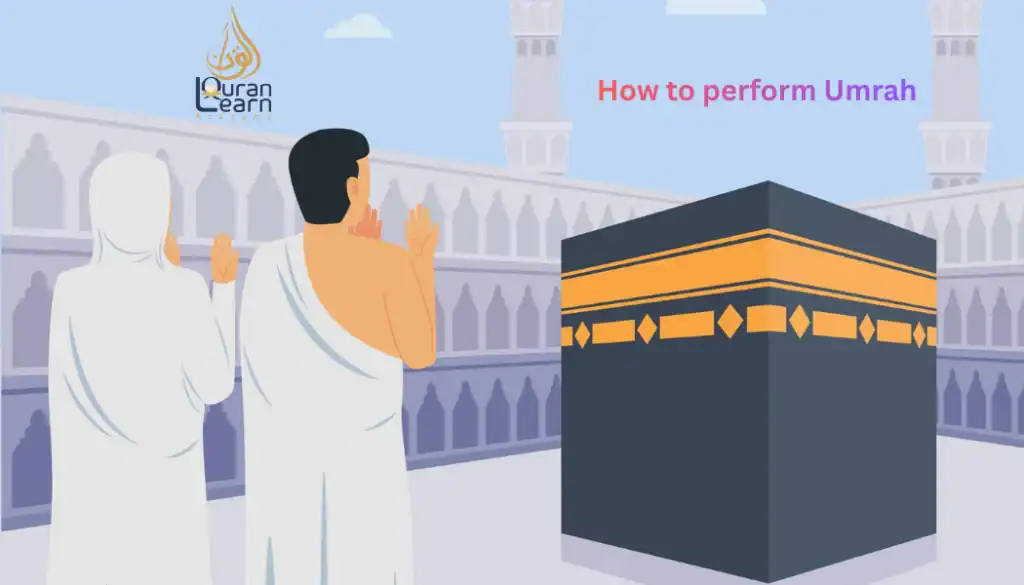
Tawaf consists of seven counter-clockwise circles around the Kaaba.
For Men:
- Perform Idtiba’: Keep the right shoulder uncovered during Tawaf.
- Perform Ramal: Walk briskly during the first three rounds.
For Women:
- Walk normally and with modesty.
✔ What to Recite During Tawaf
There is no specific required dua. You may:
- Read Quran
- Recite any dhikr
- Make personal dua
- Say frequently:
“Rabbana atina fid-dunya hasanah wa fil-akhirati hasanah wa qina ‘adhaban-nar.”
Each time you pass the Black Stone, raise your hand towards it and say “Allahu Akbar.”
✔ After Completing Tawaf
Pray two rak’ahs behind Maqam Ibrahim if space allows. Then drink Zamzam water and make dua, as Zamzam is blessed.
5. Step Three: Sa’i Between Safa and Marwah
After completing Tawaf, proceed to Safa, where Sa’i begins.
✔ At Safa
Face the Kaaba and recite:
“Inna as-Safa wal-Marwata min sha’airillah.”
Then glorify Allah, raise your hands, and make dua.
✔ How to Perform Sa’i
Sa’i involves walking seven times between Safa and Marwah:
- Safa → Marwah = 1
- Marwah → Safa = 2
- Continue until you finish at Marwah after the 7th round.
Men jog lightly between the green lights—this is Sunnah. Women walk normally.
During Sa’i, you may recite any dua or dhikr. Many pilgrims use this time to pour out their hearts to Allah because Sa’i symbolizes patience, struggle, and trust—just as Hajar searched for water for her son Ismail.
Sa’i generally takes 30–60 minutes depending on the crowd.
6. Step Four: Halq or Taqsir (Shaving or Trimming Hair)
This is the final step of Umrah.
✔ For Men
- Halq (shaving the head) is better and carries greater reward.
- Taqsir (trimming) is acceptable: trim all around the head, not just one side.
✔ For Women
Women should trim a small fingertip-length from the ends of their hair.
After this step, all restrictions of Ihram are lifted—you are now completely out of Ihram, and your Umrah is officially complete.
7. Tips for a Smooth and Rewarding Umrah
- Stay patient and calm, especially in crowded areas.
- Drink plenty of water to stay hydrated.
- Avoid unnecessary shopping until after completing Umrah to remain spiritually focused.
- Keep a small bag with your essentials (ID, water, miswak, phone).
- Use time in the Haram to pray extra rak’ahs, make dua, and read Quran.
Conclusion
Umrah is a spiritual journey that purifies the heart, renews faith, and brings incredible blessings. By following the four simple pillars—Ihram, Tawaf, Sa’i, and shaving or trimming the hair—you can perform Umrah confidently and correctly. Whether you are going for the first time or the tenth, the experience remains deeply emotional and spiritually uplifting.
May Allah accept your Umrah, ease your journey, and fill your heart with peace and light.